
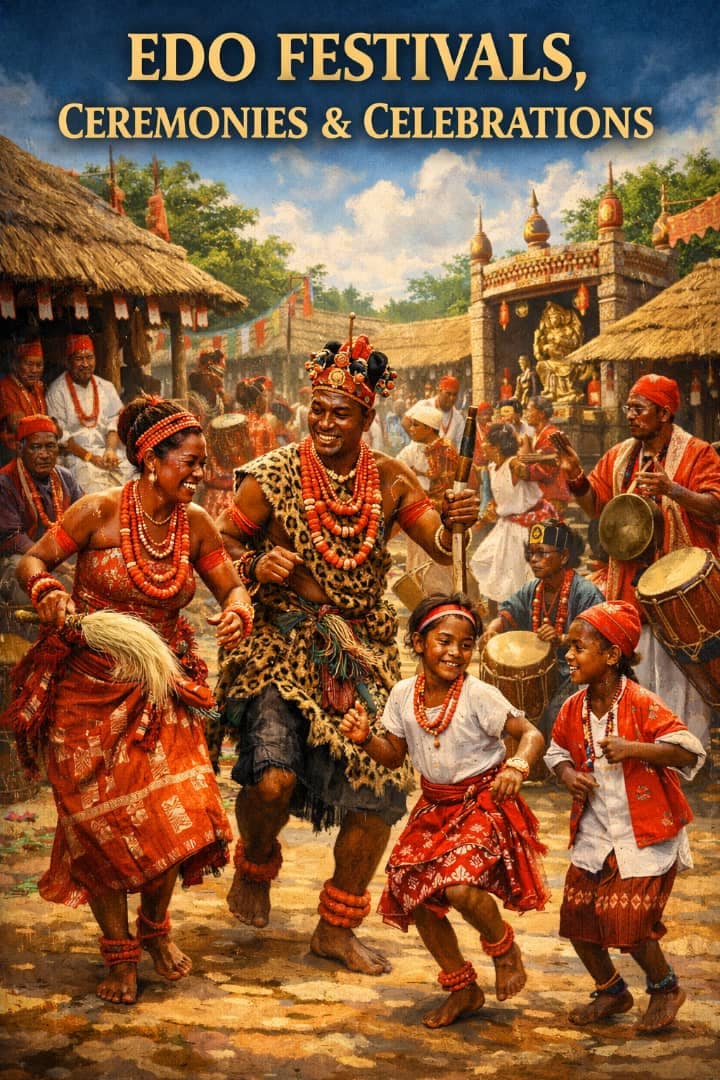
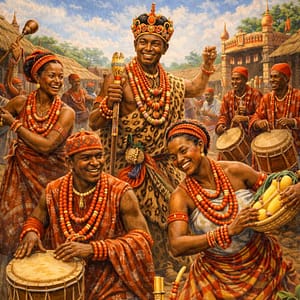
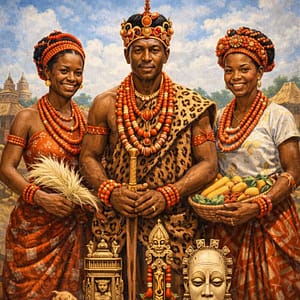
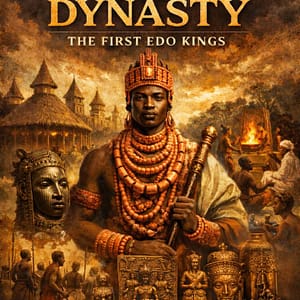
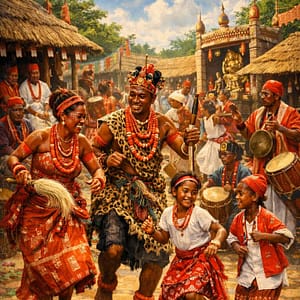
Edo festivals, ceremonies, and celebrations are central to the cultural, spiritual, and social life of the Edo people of southern Nigeria. Rooted in the traditions of the ancient Benin Kingdom, these festivals function as living expressions of history, belief systems, governance, and communal identity. They serve as structured moments through which the Edo people renew their relationship with ancestors, deities, the land, and the monarchy, while reinforcing shared values such as respect, continuity, moral discipline, and social harmony.
This article examines the spiritual foundations, categories, and major examples of Edo festivals, including royal, ancestral, agricultural, life-cycle, and cleansing ceremonies. It highlights key festivals such as Igue, Ugie Erha Oba, Emobo, Ewere, and Ekaba, explaining their origins, rituals, symbolism, and societal roles. The study also explores the significance of masquerades, music, dance, regalia, and ritual specialists, demonstrating how festivals function as instruments of cultural education, governance, and social cohesion.
In addition, the article analyzes the impact of modern influences such as urbanization, religion, globalization, and migration on Edo festivals. While acknowledging challenges such as cultural erosion and reduced participation, it emphasizes the adaptability and resilience of Edo ceremonial traditions. Ultimately, the article presents Edo festivals as a vital cultural heritage system that preserves identity, transmits indigenous knowledge, and sustains communal values in both traditional and contemporary contexts.
Avis
Il n’y a pas encore d’avis.