
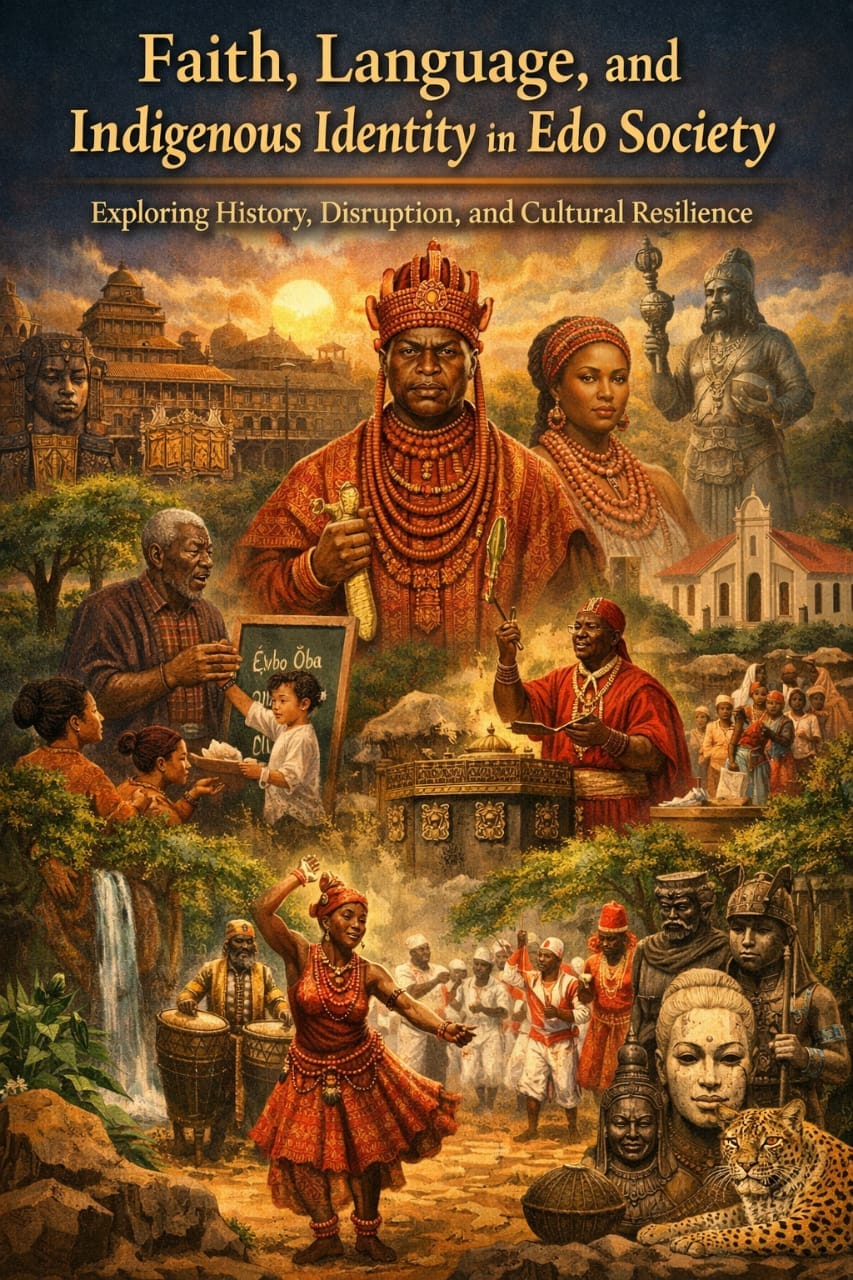
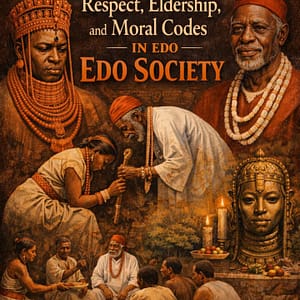
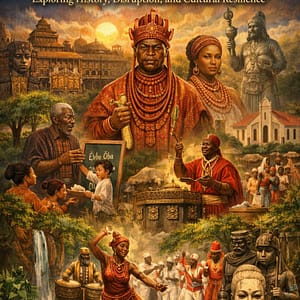
This article examines the interconnected roles of faith, language, and indigenous identity within Edo society, emphasizing how these elements historically functioned as a unified cultural system. It explores traditional Edo spirituality, the sacred significance of the Edo language, and the ways in which identity was collectively formed through ancestry, ritual practice, and communal worldview prior to colonial intrusion.
The study further analyzes the disruptive impact of colonialism, missionary Christianity, Western education, and globalization on Edo faith and language. These forces marginalized indigenous belief systems, suppressed the Edo language, and produced enduring identity tensions, particularly among younger generations navigating modern social, religious, and linguistic environments.
Finally, the article highlights contemporary efforts toward revitalization and cultural reclamation, focusing on language preservation, indigenous faith renewal, intergenerational knowledge transmission, and the adaptive role of youth, women, and traditional institutions. It argues that the survival of Edo indigenous identity depends on the deliberate reintegration of faith and language into modern life, ensuring cultural continuity amid change.

Avis
Il n’y a pas encore d’avis.