
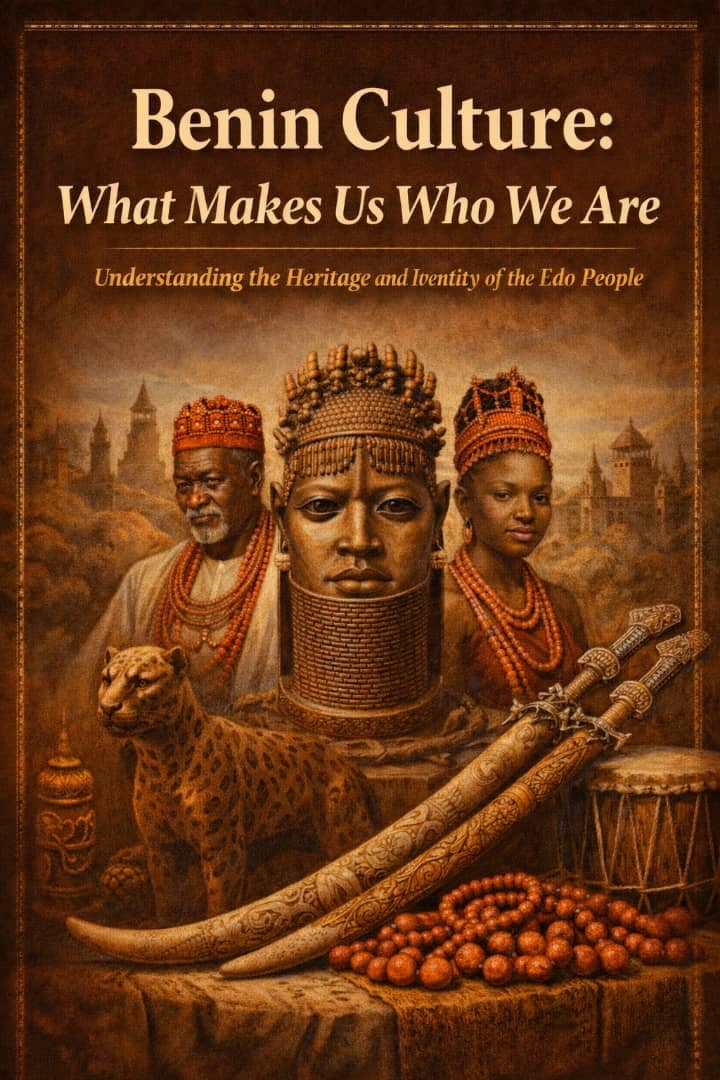
Benin culture represents one of Africa’s most enduring and sophisticated cultural traditions, rooted in the historic Benin Kingdom of present-day Edo State, Nigeria. Shaped by centuries of centralized governance, spiritual belief systems, and communal values, Benin culture reflects a deeply integrated worldview in which history, religion, art, and social organization function as a unified whole. From the ancient Ogiso era to the establishment of the Oba monarchy, cultural continuity has been maintained through sacred kingship, ancestral reverence, and structured institutions that define identity and authority.
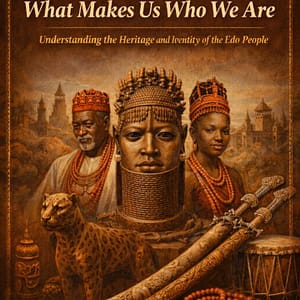
Central to Benin culture is its rich system of symbolic expression, most notably in language, art, and ritual performance. The Edo language, oral traditions, proverbs, and festivals serve as vehicles for preserving collective memory and moral instruction, while artistic achievements such as the Benin bronzes, ivory carvings, and royal regalia document historical events and spiritual philosophy. Music, dance, and ceremonial practices further reinforce communal bonds, transmitting cultural knowledge across generations through embodied performance and visual symbolism.
Despite the disruptions caused by colonial invasion and modern globalization, Benin culture has demonstrated remarkable resilience and adaptability.
Traditional values of respect, communal responsibility, and ancestral consciousness continue to shape contemporary Benin identity alongside modern education, technology, and global interaction. This enduring balance between tradition and change underscores what makes Benin culture a living heritage—one that defines who the Benin people are, preserves their past, and guides their future.
Avis
Il n’y a pas encore d’avis.