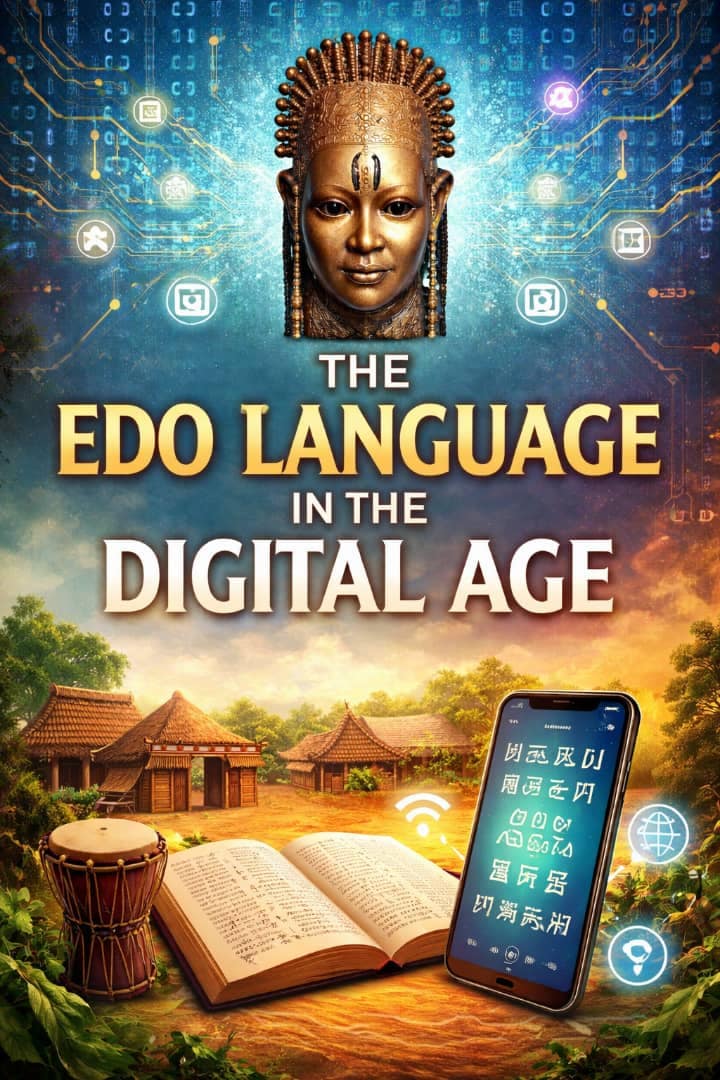
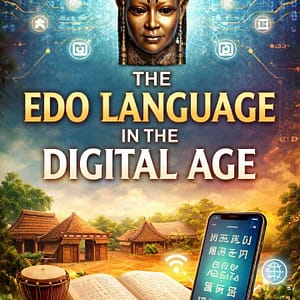
The Edo language, spoken primarily in Edo State, Nigeria, is a key marker of cultural identity and historical continuity for the Edo people. As the former language of the Benin Kingdom, Edo played a central role in governance, oral literature, religion, and social organization. However, colonial influence, the dominance of English, and contemporary globalization have reduced its presence in formal education, media, and public life. Today, Edo exists within a multilingual environment where its long-term vitality depends on adaptation to modern social and technological realities.
The digital age presents both challenges and opportunities for the Edo language. While global languages dominate digital spaces, technology also provides tools for documentation, education, and revitalization. This article examines Edo’s interaction with digital media, educational technology, and emerging language technologies, highlighting issues such as limited digital resources, orthographic standardization, and its classification as a low-resource language. The role of digital learning platforms, social media, and community-based archives in expanding Edo’s digital presence is critically explored.
The article argues that sustaining Edo in the digital era requires a coordinated approach that integrates language policy, education, technology, and community participation. By emphasizing cultural ownership, youth engagement, and diaspora involvement, the study demonstrates that Edo can function not only as a heritage language but also as a viable medium for contemporary communication and knowledge production in a digital world.

Avis
Il n’y a pas encore d’avis.