
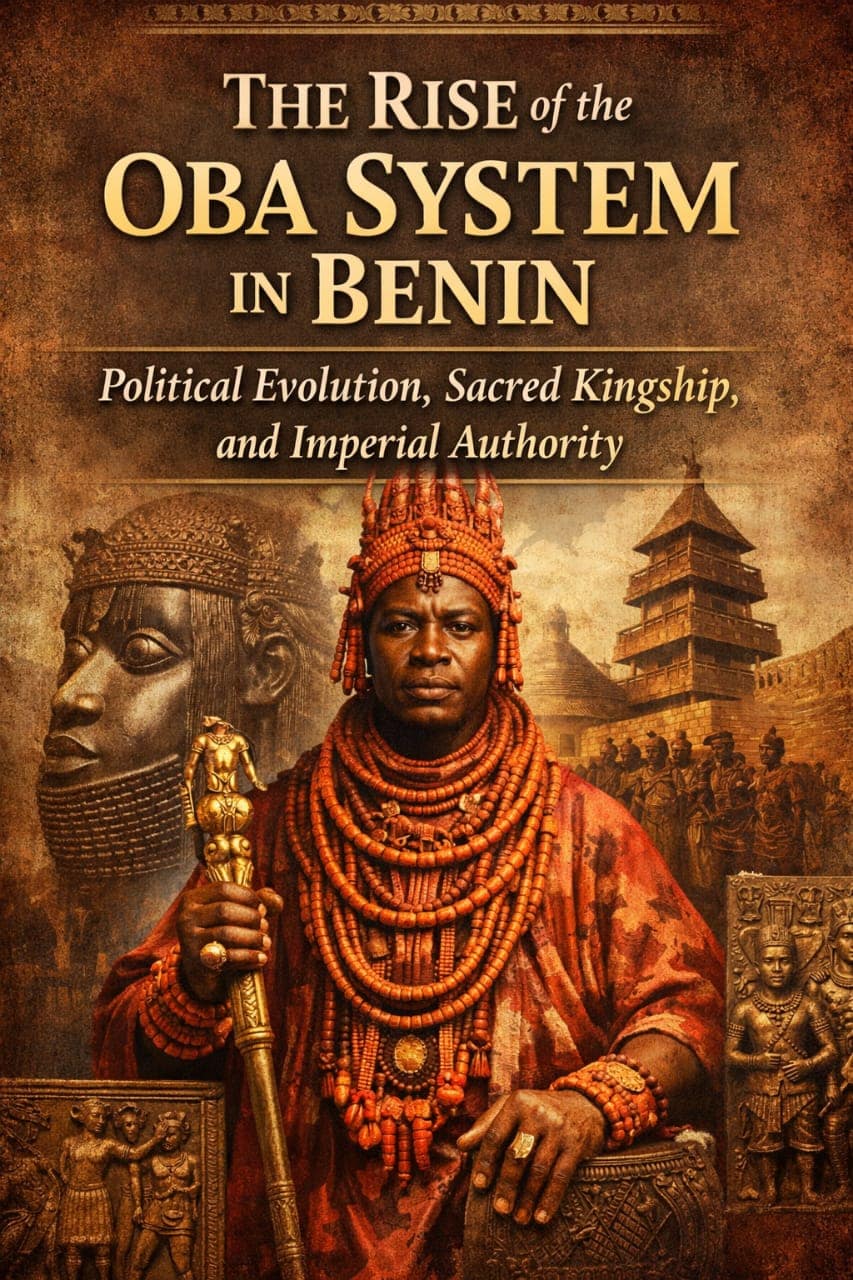
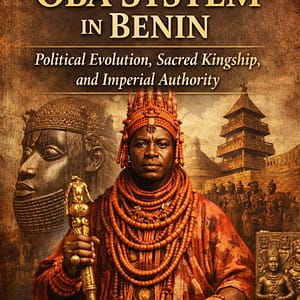
The rise of the Oba system in Benin marks a significant transformation in the political and cultural landscape of the Edo people. Emerging from the earlier Ogiso dynasty, the Obaship centralized authority, establishing the Oba as both the spiritual and administrative leader of the kingdom. This shift was not merely a political adjustment but also a consolidation of religious, judicial, and military powers, allowing the Oba to unify diverse communities under a structured governance system that reinforced loyalty and societal order.
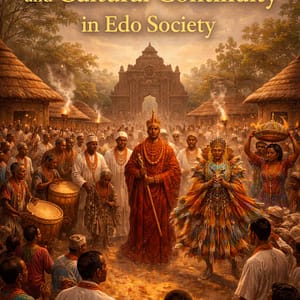
The Oba system also played a crucial role in cultural development, serving as a patron of the arts, religion, and education. Through the Oba’s court, traditions such as bronze casting, ivory carving, and ceremonial rites were institutionalized, becoming integral to Benin’s identity. The system fostered a strong link between leadership and divine authority, as Obas were often seen as intermediaries between the gods and the people, which legitimized their power and ensured social cohesion within the kingdom.
Moreover, the establishment of the Oba system laid the foundation for Benin’s political resilience and expansion. It enabled the kingdom to engage effectively in regional diplomacy, trade, and warfare, while maintaining internal stability. The enduring legacy of the Obaship is reflected not only in the historical records of Benin’s growth and prosperity but also in the cultural and symbolic significance the institution continues to hold in contemporary Edo society.


Avis
Il n’y a pas encore d’avis.