
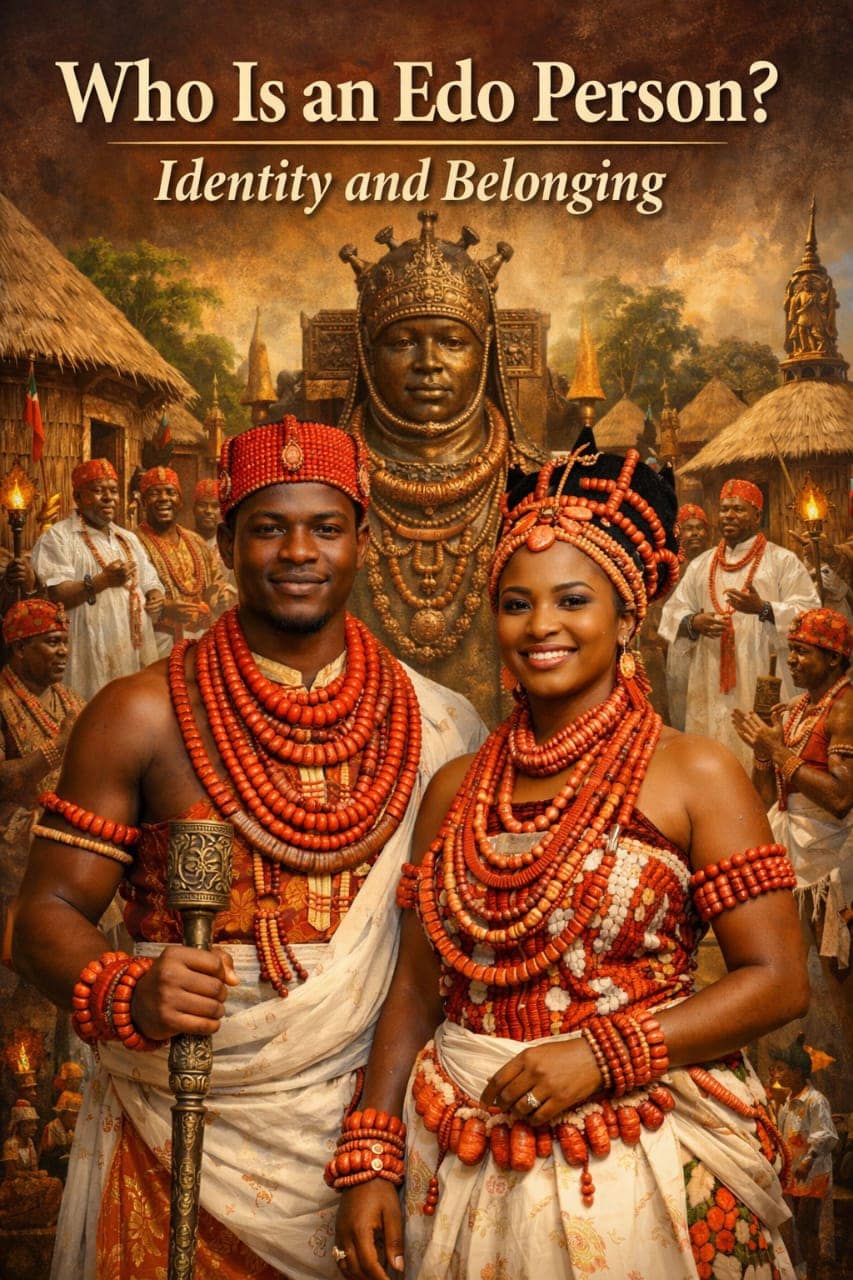
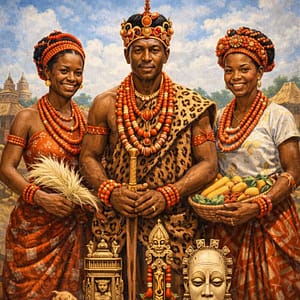
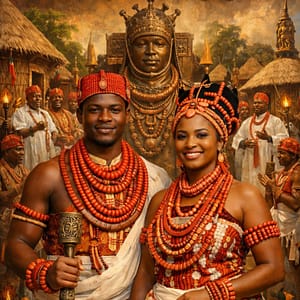
This article explores the question “Who is an Edo person?” by examining Edo identity as a product of history, culture, language, ancestry, and collective memory. Rooted in the ancient Benin Kingdom, Edo identity is presented not merely as an ethnic label but as a lived experience shaped by governance systems, moral values, spirituality, and strong communal bonds. The study highlights how belonging in Edo society is constructed through lineage, language, ritual practices, and social responsibility.
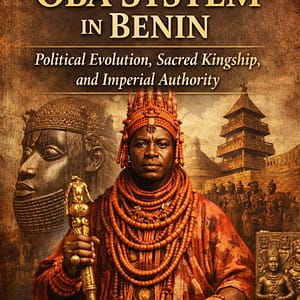
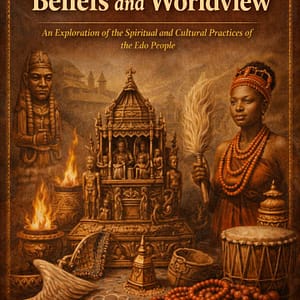
The article further analyzes key elements that sustain Edo identity, including traditional political structures, artistic expression such as the Benin Bronzes, rites of passage, gender roles, and spiritual worldviews. It also examines the impact of colonial disruption and postcolonial transformation, showing how Edo identity adapted while retaining its core values. Language preservation, ancestral consciousness, and cultural education emerge as central to maintaining continuity.
Finally, the article situates Edo identity within contemporary Nigeria and the global diaspora, emphasizing its dynamic and evolving nature. Despite migration, modernization, and globalization, Edo belonging remains resilient, sustained through memory, cultural participation, and intentional transmission to younger generations. The article concludes that Edo identity is a living heritage—one that connects past, present, and future through shared values, dignity, and collective belonging.
Avis
Il n’y a pas encore d’avis.