
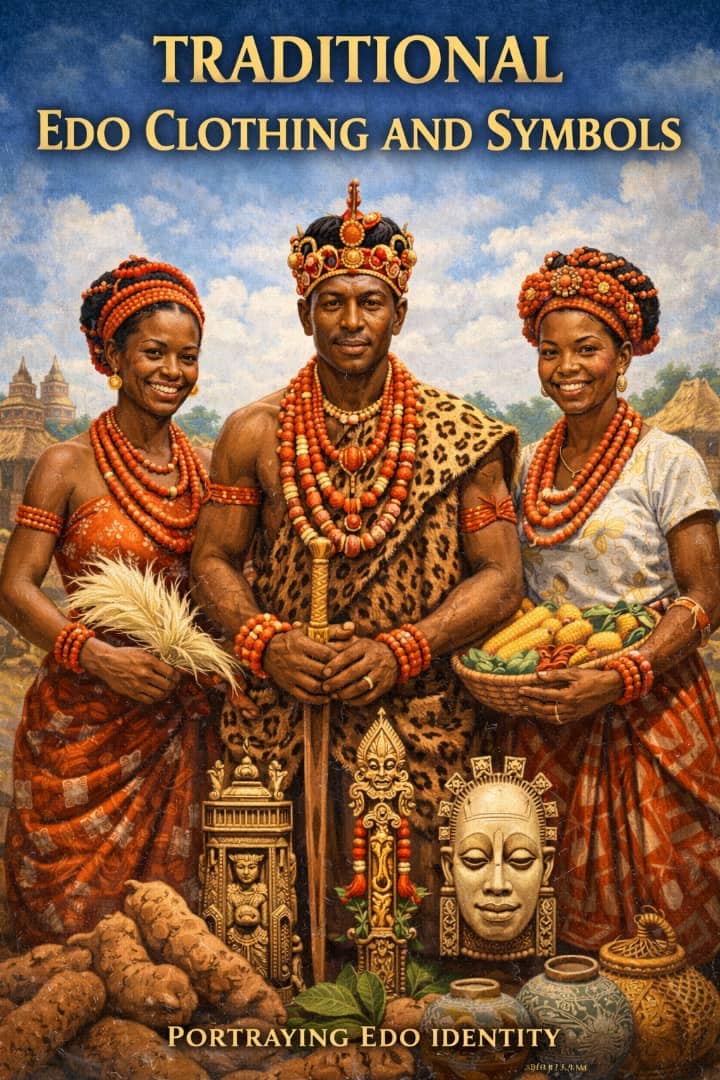
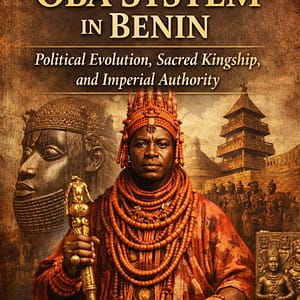
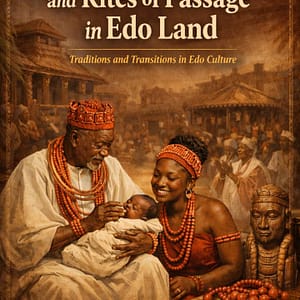
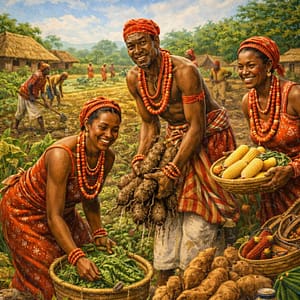
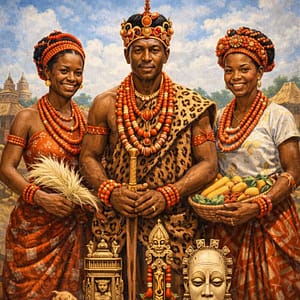
Traditional Edo clothing and symbols represent a rich tapestry of history, artistry, and social hierarchy within Edo society. Clothing in Edo culture is not merely decorative; it communicates rank, lineage, spiritual alignment, and personal achievements. From the Oba’s elaborate coral-beaded robes to the patterned wrappers of commoners, each garment reflects centuries of cultural evolution, trade influences, and indigenous craftsmanship, combining aesthetics with deep symbolic meaning.
Colors, motifs, beadwork, and headgear serve as a visual language that conveys messages about authority, marital status, spiritual identity, and clan affiliation.
Red symbolizes courage and ancestral connection, white denotes purity and spirituality, while geometric patterns and animal motifs indicate rank and accomplishments. Beads, particularly coral, are essential markers of prestige, and ceremonial garments worn during coronations, weddings, festivals, and funerals highlight the Edo people’s intricate social and spiritual systems.
In contemporary times, Edo clothing continues to preserve cultural heritage while adapting to modern fashion. Designers incorporate traditional patterns, beads, and motifs into weddings, festivals, and daily wear, ensuring continuity of identity and education for younger generations. Through its garments and symbols, Edo clothing remains a living medium of history, societal values, spirituality, and artistry, bridging past and present in one of West Africa’s most culturally rich communities
Reviews
There are no reviews yet.